Welcome to the Art Department

This semester, you'll be working in the Art Department. If you're interested in animation for the commercial industry, FIU also offers programs through the Lee Caplin School of Journalism & Media. Both departments offer valuable paths—they're just focused on different goals.

In the arts, many people use the term "Artist" to describe different kinds of creative work. A commercial artist (or designer) and a fine artist both make meaningful work, but they approach it differently. In this program, you're earning a Bachelor of Fine Arts—which means your focus will be on personal vision, concept, and artistic inquiry rather than commercial application.

1. The "Cover Band" Problem

A lot of students come into this program inspired by pop culture, anime, video games, and YouTube animations. That is great and it shows you love the medium. However, liking pop culture does not mean you should mimic it.

Think of it this way:

  • DeviantArt and Fan Art are like being in a Cover Band. You are playing someone else's songs. You might play them incredibly well and you might be the best guitar player in the world, but you are still playing a Taylor Swift song.
  • In this department, we are Songwriters. I don't care if you can play the solo from "Bohemian Rhapsody" or draw a perfect anime eye. I want to hear a song you wrote, I want to see an eye you draw, even if it's messy, dissonant, or strange.

Chef vs. Line Cook

Commercial animation studios need Line Cooks. They need people who can execute a "Big Mac" exactly the same way 500 times a day because that is what the customer bought.

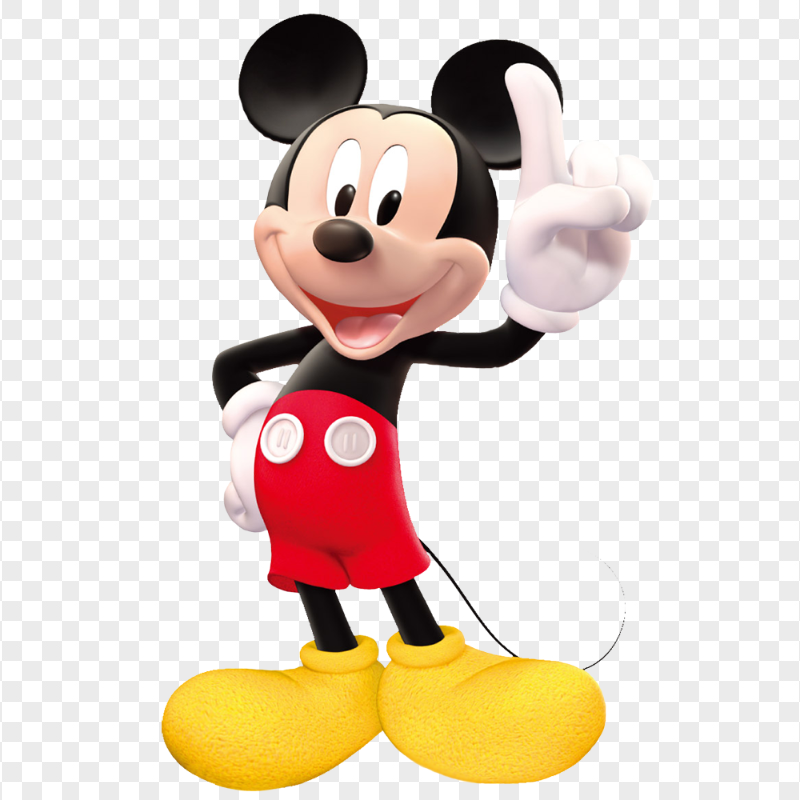
Fine Art is being a Chef. You have to invent a new flavor. If you come to my class and make a "Big Mac" (Fan Art or Art using a Genre Style), you will be encouraged not to. If you continue, you may not pass. Not because Big Macs aren't tasty, but because McDonald's already invented them. We want to see what doesn't exist yet. Please make sure you are in the appropriate program for you.

2. Executing vs. Creating

There is content throughout this Discord about jobs, but that is only because being a Fine Artist is tough. Many Fine Artists have jobs that help them make the Art they want to make. The Artists on the Boiled Over podcast make it clear that they do commercial animation to support their Art. They do not believe the commercial project they were hired for is "theirs." It is another person's idea, script, and IP.

In this class, you do not make concessions to anyone. You will work on your own ideas using your own aesthetics. In upper-level classes, the concept of the animation guides the choice of style. You are expected to figure out how to use the software you need (via tutorials, documentation, and LLMs). I will not spend hours doing step-by-step tutorials because tutorials are a waste of time if you don't have an idea.

3. Clichés

Because so many students have consumed the same media (anime, games, Netflix), you often default to the same ideas. You are acting like "Human A.I."—predicting the next generic image based on what you've seen before.

To address this, I have created a Master List of Clichés and Tropes, such as prince or princess characters, talking animals, alarm clock openings, giant eyes or eyes crying blood, and shadow monsters standing in for anxiety. We will add to this list together over the semester.

When ideas repeat, it is usually a sign that the same visual sources are being reused. During critiques, we will talk about when something becomes a cliché. This is not meant to discourage you, but to help you push past the obvious. You are capable of more than a cliché.

4. Rules to Help You Think Creatively?

After 15 years of teaching animation at the college level, I've noticed that students often arrive at the same solutions without realizing it. What feels unique to you may have been done dozens of times before—not because you copied it, but because it's an obvious answer that anyone can think of faced with the project.

Think of project constraints as a way to avoid 'autopilot' thinking. They prevent you from settling for the first easy idea. It’s like when you’re forced to fix a problem without the proper equipment—having fewer resources actually makes you more inventive.

Audio: You are never allowed to use someone else's audio in your animations. This includes popular songs, sound effects from libraries, or viral audio clips. Create your own sound or present work in silence. We may also animate to uncomfortable, textural audio—things like ice cracking, construction noise, or ambient recordings—to force you away from familiar rhythm and sync patterns.*

Found audio is permitted only when conceptually necessary (e.g., for a study of remix culture). Be prepared to defend the necessity of the audio during your critique. Your animation should not merely repeat a meme, but rather interrogate its meaning or function

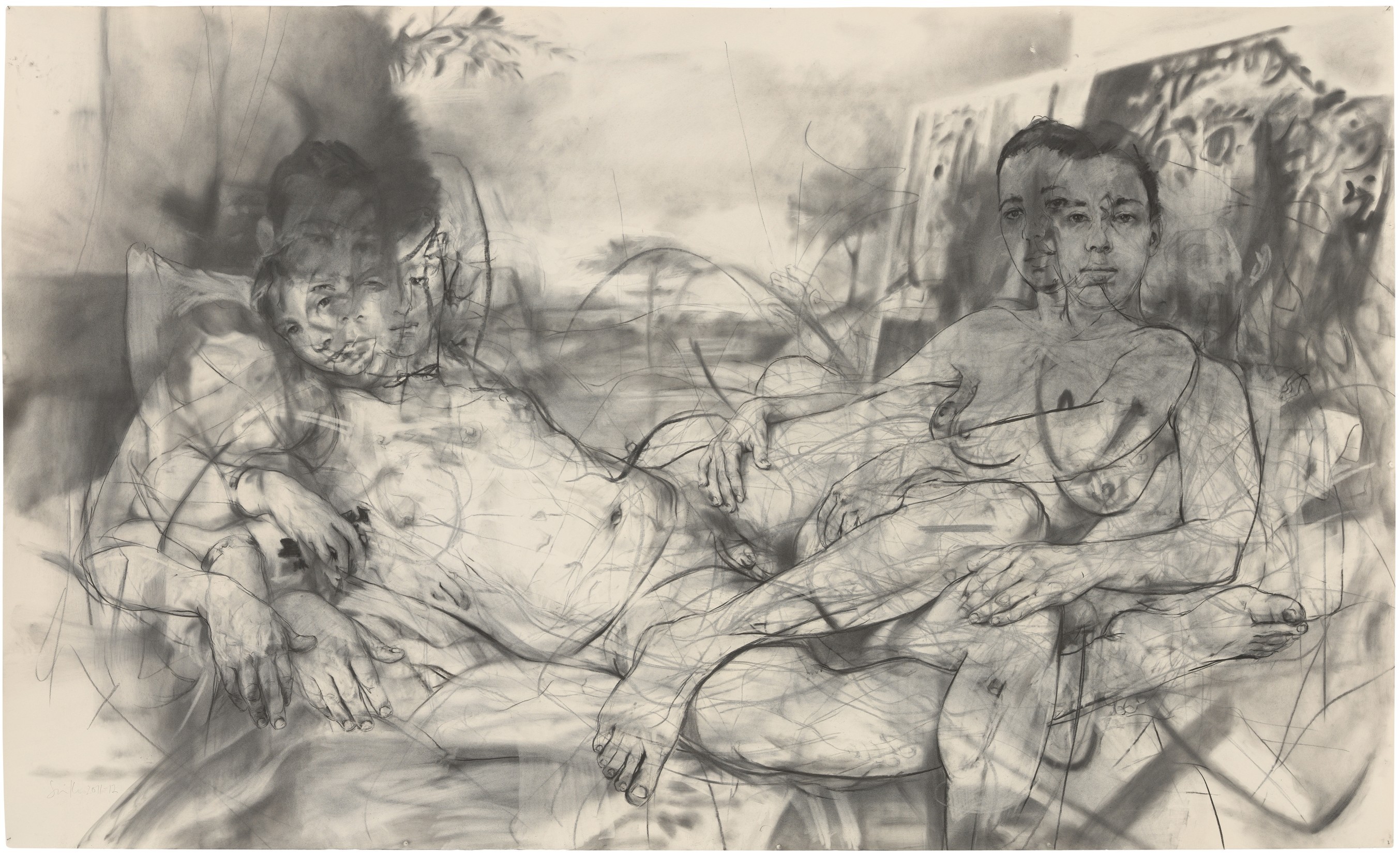
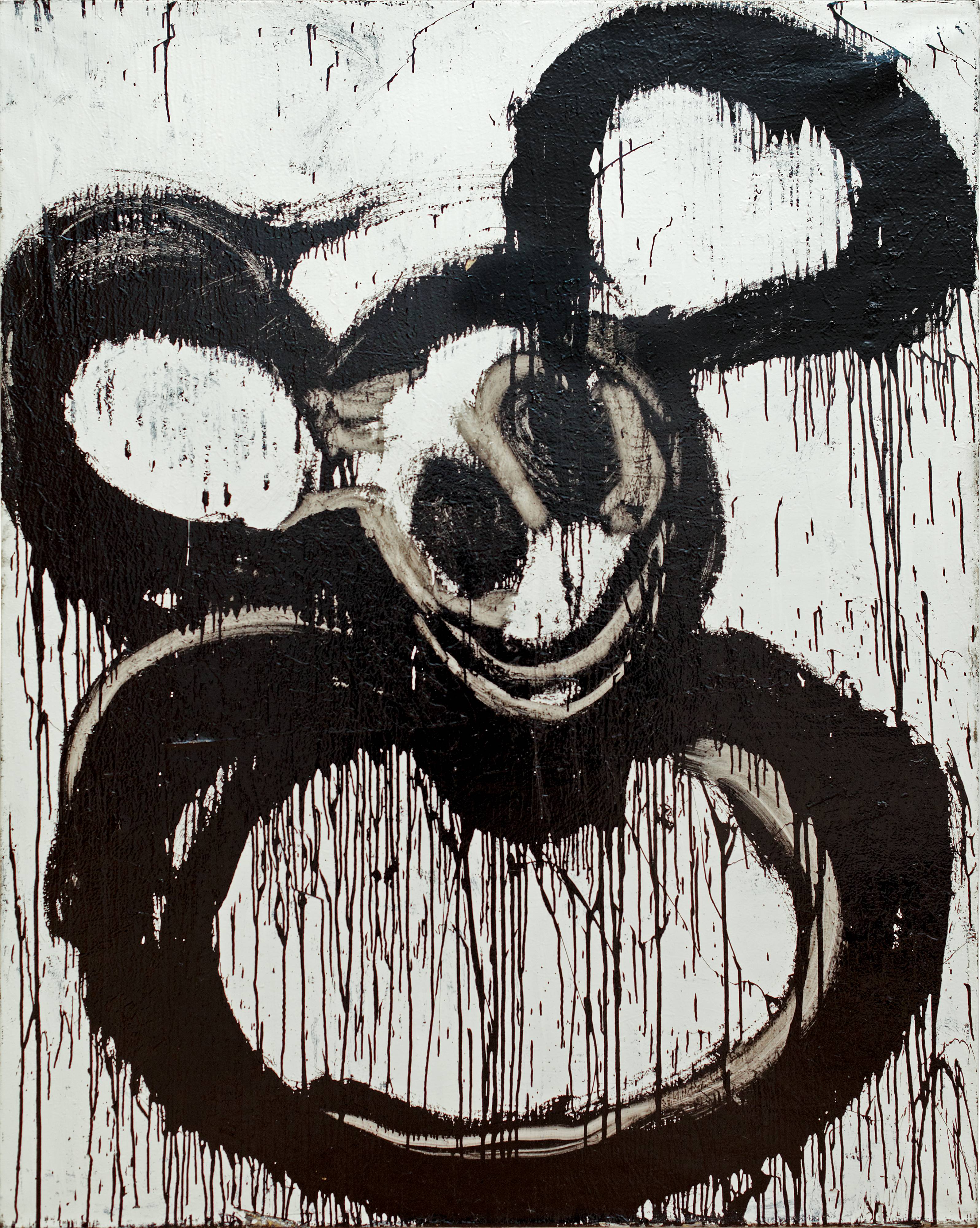
Bodies: Do not use mimetic anime or cartoon-focused body shapes that were invented by another person or another animation studio. No Disney bodies. No Pixar bodies. No Sony DreamWorks bodies. No anime bodies. If you've learned to draw by copying a commercial style, this is your chance to unlearn that reflex and discover what your own visual language looks like. Read this entire document to understand why this matters.

Materials and Process: You're encouraged to use found materials or use materials you make yourself. Try working with real-life marks and textures, charcoal, ink, paint, collage—stuff where you can't rely on Ctrl+Z. Turn off auto-smooth in digital tools. Let the material have a voice. Imperfection and accident are part of the artistic process.

5. Working in the Industry vs. Making Art

If you're reading this and thinking, "But I want to work for Nintendo/Pixar/Cartoon Network!" please understand this:

The big studios do hire fine artists. They don't hire people who copy their existing style—they already have people who can draw Mario or animate like Pixar. They hire people who can bring fresh ideas, new visual thinking, and original approaches to storytelling. If your portfolio looks exactly like work that already exists, or like everyone else who applies, they don't need you. They need creators.

Important: This class cannot and will not replace the industry-focused animation programs offered at FIU (Lee Caplin School of Journalism & Media) or Miami Dade College's MAGIC program. Those programs are specifically designed to train you for commercial production pipelines. If you approach this class hoping to build an industry portfolio or learn industry-standard workflows, you will be disappointed—and your grades will suffer if you turn in work intended for commercial application rather than artistic inquiry. It's very easy to spot the difference. We make artwork here, not content.

Welcome

To the students who are ready to make Artwork, WELCOME. Let us have fun, challenge ourselves, and think far outside the box. If you feel confused because you believe "it's all Art" and you should be allowed to draw big-eyed anime warriors, know that in this program you will be questioned and challenged.

We are not here to build a portfolio for Netflix. We are here to build a portfolio for YOU.

Once you sign below, you will begin an exercise designed to clarify the transition into a College Art Department. This activity uses the concept of 'the body' to compare the conventions of anime, cartoons, and fan art with those of Fine Art. Please complete the exercise and submit your work. I will receive it.

By typing your full name below, you acknowledge that you have read and understand the expectations of this program.

Bodies, Fan Art, and Fine Art Visual Language

This examination explores visual conditioning, embodiment, and artistic agency through art history, feminist critique, animation, and contemporary online culture. You'll explore why many artists feel stuck when transitioning from fan art aesthetics to fine art practice.

Progress

🎉 Complete!

Congratulations! You've completed all 8 sections.

Click the button below to submit all your responses to your instructor's Google Drive.