Welcome to the Art Department

Here are some simple facts that will help you for the rest of the semester. This class and this major are in the Department of Art. The animation major for the industry is in the Lee Caplin School of Journalism & Media. For a comprehensive explanation of the differences, go to the BFA Animation Major or the Animation Media and scroll down. The Chairs of both departments wanted to make those differences clear.

If you are confused, that is normal. Today the term "Art" is used across many creative fields, and many people call themselves Artists. However, an Applied Artist (Designer/Commercial Artist) is not the same as a Fine Artist. BFA stands for Bachelor of Fine Art.

1. The "Cover Band" Problem

A lot of students come into this program inspired by pop culture, anime, video games, and YouTube animations. That is great and it shows you love the medium. However, liking pop culture does not mean you should mimic it.

Think of it this way:

  • DeviantArt and Fan Art are like being in a Cover Band. You are playing someone else's songs. You might play them incredibly well and you might be the best guitar player in the world, but you are still playing a Taylor Swift song.
  • In this department, we are Songwriters. I don't care if you can play the solo from "Bohemian Rhapsody" or draw a perfect anime eye. I want to hear a song you wrote, I want to see an eye you draw, even if it's messy, dissonant, or strange.

Chef vs. Line Cook

Commercial animation studios need Line Cooks. They need people who can execute a "Big Mac" exactly the same way 500 times a day because that is what the customer bought.

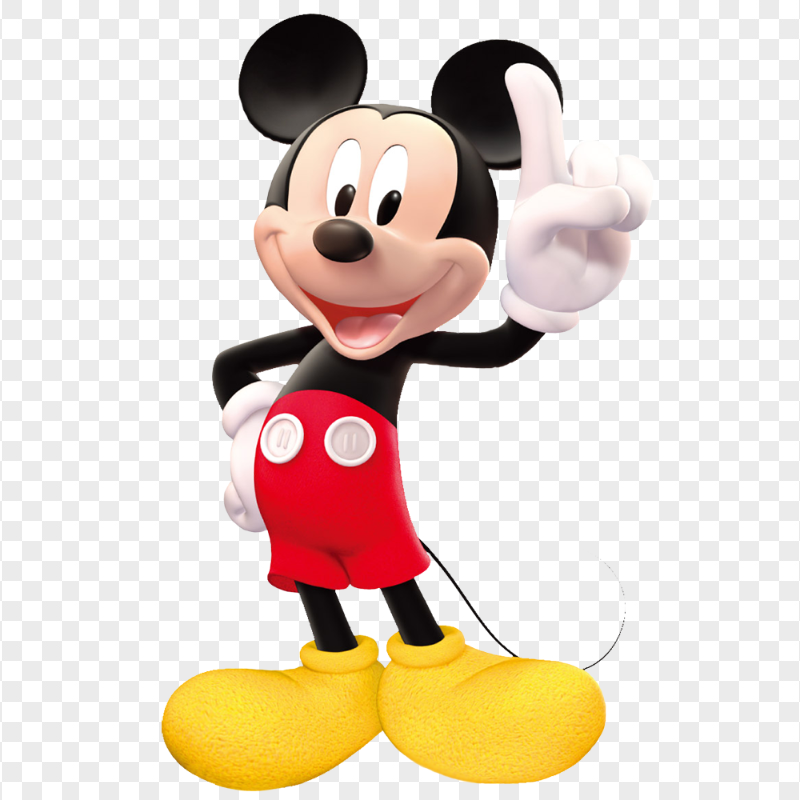
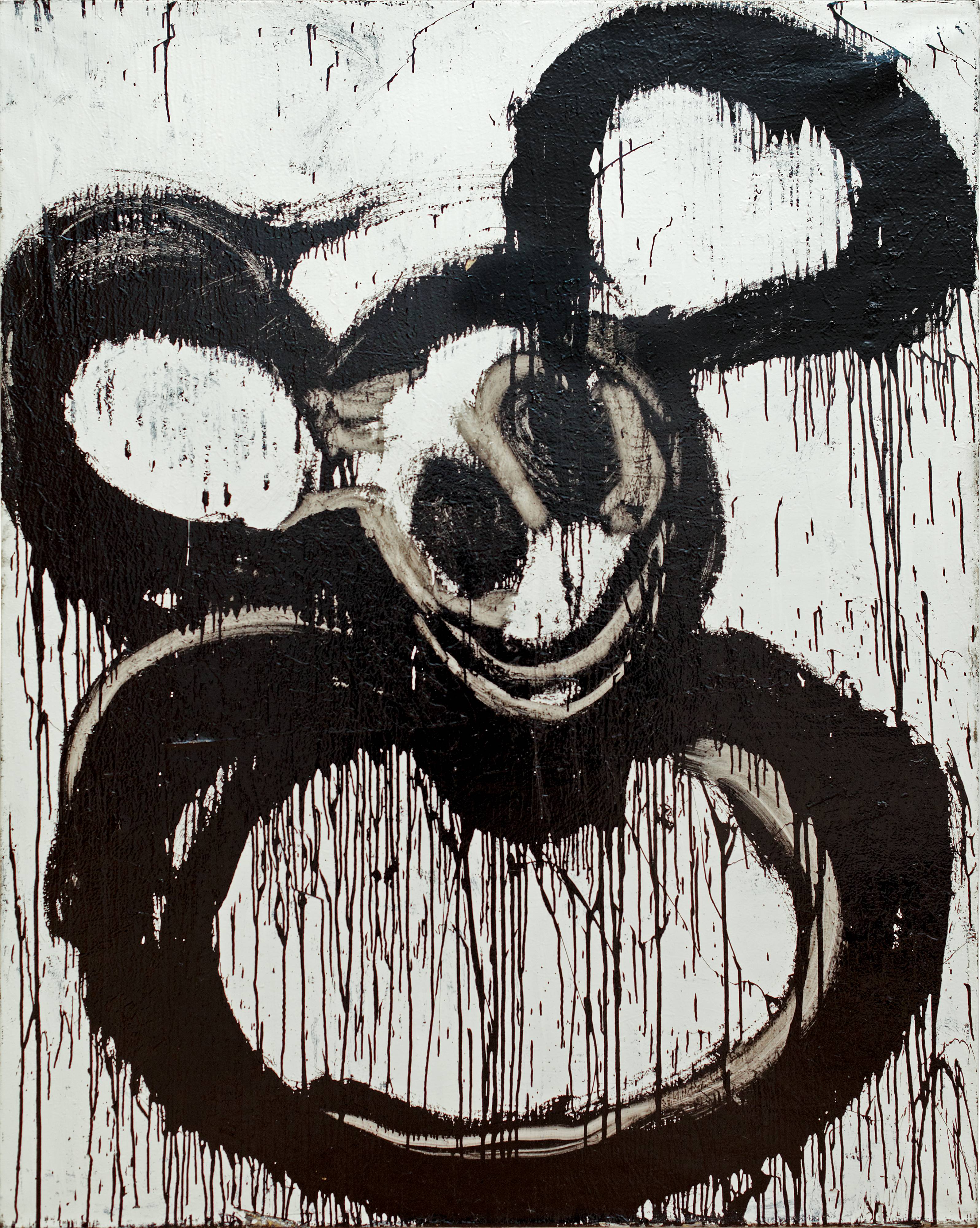
Fine Art is being a Chef. You have to invent a new flavor. If you come to my class and make a "Big Mac" (Fan Art or Art using a Genre Style), you will not pass. Not because Big Macs aren't tasty, but because McDonald's already invented them. We want to see what doesn't exist yet.

2. Executing vs. Creating

There is content throughout this Discord about jobs, but that is only because being a Fine Artist is tough. Many Fine Artists have jobs that help them make the Art they want to make. The Artists on the Boiled Over podcast make it clear that they do commercial animation to support their Art. They do not believe the commercial project they were hired for is "theirs." It is another person's idea, script, and IP.

In this class, you do not make concessions to anyone. You will work on your own ideas using your own aesthetics. In upper-level classes, the concept of the animation guides the choice of style. You are expected to figure out how to use the software you need (via tutorials, documentation, and LLMs). I will not spend hours doing step-by-step tutorials because tutorials are a waste of time if you don't have an idea.

3. The Master List & "Trope Bingo"

Because so many students have consumed the same media (anime, games, Netflix), you often default to the same ideas. You are acting like "Human A.I."—predicting the next generic image based on what you've seen before.

To combat this, I have created the Master List of Clichés and Tropes.

We will be playing "Trope Bingo" during critiques. If your project contains a "Bingo" of clichés (e.g., An alarm clock opening + A character with a sword + A literal shadow monster representing anxiety), the critique will stop. You are better than a cliché.

4. How We Will Break the Habits (The Exercises)

To help you break out of the "Fan Art" mindset, we will be doing specific exercises designed to force you out of your comfort zone:

  • The "Ban-List" Challenge: You will create animations with severe constraints (e.g., "Show Panic without using a face, hands, or sweat drops"). You must use texture, color, and pacing to show emotion, not symbols.
  • The Audio Parasite: You will not animate to Lofi Hip Hop. You will animate to uncomfortable, textural audio (ice cracking, construction noise). You cannot "anime-sync" a jackhammer.
  • The Ugly Portrait: You will take your precious Original Characters (OCs) and animate them decaying, aging, or melting. We must break the vanity of "cool" character design to find the humanity underneath.
  • Analog Disruption: We will step away from Ctrl+Z. We will use charcoal, erasure, and physical media. If you can't "undo," you have to embrace the mistake.

5. The "Nintendo" Reality Check

If you are reading this and thinking, "But I want to work for Nintendo/Pixar/Cartoon Network!" please understand this:

The big studios hire Fine Artists. They don't hire people who copy their style. They already have people who can draw Mario. They hire people who can bring fresh ideas to the table. If your portfolio looks exactly like a game that already exists, they won't hire you because they don't need a copy machine. They need a Creator.

Welcome

To the students who are ready to make Artwork, WELCOME. Let us have fun, challenge ourselves, and think far outside the box. If you feel confused because you believe "it's all Art" and you should be allowed to draw big-eyed anime warriors, know that in this program you will be questioned and challenged.

We are not here to build a portfolio for Netflix. We are here to build a portfolio for YOU.

By typing your full name below, you acknowledge that you have read and understand the expectations of this program.

Bodies, Fan Art, and Fine Art Visual Language

This Starter Quiz examines visual conditioning, embodiment, and artistic agency through art history, feminist critique, animation, and contemporary online culture. You'll explore why many artists feel stuck when transitioning from fan art aesthetics to fine art practice.

Quiz Progress
Section 01

Fine Art and Commercial Art Use Different Visual Languages

Image: Comparison image. Left, polished fan art character design with youthful proportions. Right, fine art figure drawing emphasizing weight and presence. Caption: Visual language signals and intention.

Fine art and commercial art are not separated by skill, but by intention. Fine art explores ideas, questions, lived experience, and cultural meaning. Commercial art prioritizes recognizability, appeal, entertainment, and market clarity. These differences shape not only subject matter, but the bodies artists learn to draw.

Online platforms reward a narrow set of visual signals. Over time, this trains artists to associate quality with polish, youth, attractiveness, and stylistic familiarity.

Your Response

How have you drawn bodies in the past? What was the goal for the body? Were there certain standards that were met? You can use 1 character as an example. Have you ever drawn on your own, not for a class, a body that didn't have any of these rules and standards? How did that feel to you?
0 words

Peer Response Required

Write a response to your peer's perspective (at least 50 words) to unlock the next section.

0 words
Section 02

From Fan to Artist: How Fan Art Communities Shape Drawing Practice

Image: Progression showing: commercial character design → traced fanart → tutorial-based copies → original character with same body type.

Fan artists usually begin from a piece of commercial art or entertainment. They grow to love a particular movie, TV show, YouTube animation, product, boyband/girlband, popstar, sport, or sports star—all cultural products designed for entertainment and fandom. These works rely on fan engagement for sales and profit, backed by large corporations and studios with many producers and investors. If something doesn't generate profit, it doesn't get made. This is a fundamental difference between commercial art and fine art.

Fan art emerges from commercial art. Often, a fan artist begins by copying still images of favorite characters in sketchbooks or on digital tablets, reproducing everything exactly until it's hard to tell the difference from the original. Then they learn from tutorials, websites, YouTube videos, and discussion boards: "how to draw a certain kind of body."

Each piece of entertainment has a specific way that bodies are drawn. For example, Dragon Ball Z has a distinct style. Artists learn to draw in this exact style until they can create their own poses for fan art. They concentrate on shading, color, light sources, backgrounds (though many ignore backgrounds completely), hair, different items characters hold, and the outfits characters wear.

After this, many begin drawing Original Characters ("OCs"). They still use the body they learned from copying their fan art, but now they pick out new clothes, new hair, new items. They often leave the face exactly the same as they learned, aside from adding scars, tattoos, or eyepatches. Everything remains the same as the fan art, but they've created a "new" character. Often they make character turnarounds or short animations of this character.

Your Response

Describe your own journey learning to draw bodies. Did you start with fan art or copying from commercial entertainment? What specific style or characters did you learn from? If you've created OCs, how similar are their bodies to the original characters you studied? Be specific with examples.
0 words

Peer Response Required

Write a response to your peer's perspective (at least 50 words) to unlock the next section.

0 words
Section 03

The College Classroom Clash: Fan Art Meets Fine Art Training

Image: Split image showing the same figure drawing model: left side drawn in anime/fan art style with idealized proportions, right side drawn observationally with actual body shape, weight, and form.

This is not everybody's fan art story—it's a generalization so we can discuss a critical difference. One of the first places in college-level art where students might face a clash is in Figure Drawing class.

Many students look at a model—a real human who could be older, with a body shaped much differently (we humans come in all sorts and sizes)—and draw them in the style of their OC art. That is often the only way they have taught themselves to draw. This might also happen in Drawing 1 classes in college.

The professor will try to push the student to draw what they visually see and abandon the manner of drawing that the student knows best. Now there is a psychic crisis. Students need to risk drawing "badly" in front of peers in order to learn in the fine art tradition.

The fine art tradition of teaching drawing is extremely different than the fan art tradition. What something visually looks like is critically important to artistic training. Students may argue that Pablo Picasso draws in a stylized manner, so why can't they? The professor will explain that Picasso also learned traditional fine art methods first, and that his style is unique to him. If someone copied Picasso's bodies, people in the fine art world would judge that person less favorably—very different than fan art, where people praise someone when their work looks exactly like the object of the fandom.

In fan art communities, accuracy to the source material is celebrated. In fine art education, copying another artist's style is discouraged. The goal shifts from replication to observation, from polish to perception, from entertainment to investigation.

Your Response

Have you experienced this clash between fan art practice and fine art training? Describe a specific moment when you were asked to draw observationally (from life, from a model, from what you actually see) and it felt uncomfortable, wrong, or difficult. What made it challenging? If you haven't experienced this yet, what do you anticipate will be most difficult about drawing real bodies observationally?
0 words

Peer Response Required

Write a response to your peer's perspective (at least 50 words) to unlock the next section.

0 words
Section 04

Historical Reality of the Body

Image: Roman portrait bust showing wrinkles and thinning hair. Courbet or Manet painting depicting laborers or everyday life. Alice Neel portrait emphasizing age and vulnerability.

Naturalistic and varied depictions of the human body long predate contemporary art. Roman portraiture emphasized wrinkles, thinning hair, weight, scars, and individuality, intentionally diverging from idealized Greek forms. These works asserted lived experience, age, and identity rather than perfection.

In the nineteenth century, artists associated with Realism and early Modernism, including Gustave Courbet and Édouard Manet, again rejected idealization. They depicted laborers, travelers, beggars, sex workers, aging bodies, and ordinary people previously excluded from high art.

Modern and contemporary art continued this expansion. Artists repeatedly challenged decorative norms in order to show bodies as historical, political, emotional, and mortal.

Your Response

Choose one historical moment when artists expanded how bodies were represented. Why did that shift matter socially or politically? How does understanding this history change how you think about the bodies you've been drawing?
0 words

Peer Response Required

Write a response to your peer's perspective (at least 50 words) to unlock the next section.

0 words
Section 05

The Fan Art Body and Visual Narrowing

Image: Fan art style character sheet showing youthful, sexualized proportions contrasted with observational drawings of diverse body types.

Fan art communities consistently circulate a narrow visual body. This body is typically young, thin, long limbed, large eyed, smooth skinned, and sexualized. Clothing often emphasizes exposure rather than function. Over time, repetition causes this body to feel neutral or natural.

As a result, many artists feel discomfort when drawing older bodies, fat bodies, disabled bodies, scarred bodies, or bodies shaped by labor, illness, or age. When students say their work looks wrong, they are often reacting to a violated internal template rather than actual failure.

This visual narrowing limits narrative range. Certain stories cannot be told convincingly using a perpetual youthful fantasy body.

Your Response

What visual traits do you associate with fan art bodies, and how have they shaped what you feel capable of drawing? Think about specific body types, ages, or physical characteristics that feel "wrong" or "difficult" to you. Where do you think that discomfort comes from?
0 words

Peer Response Required

Write a response to your peer's perspective (at least 50 words) to unlock the next section.

0 words
Section 06

Women Artists, Animation, and Resistance to the Male Gaze

Image: Alice Neel portrait. Käthe Kollwitz print. Still frame from the linked animation by a woman artist challenging idealized bodies.

Women artists have repeatedly challenged visual systems that reduce bodies to youth, availability, and consumption. Alice Neel painted aging, pregnant, ill, and emotionally complex bodies with psychological presence. Käthe Kollwitz depicted working class bodies marked by grief and labor. Judy Chicago and Hannah Wilke exposed how femininity and beauty standards function as control.

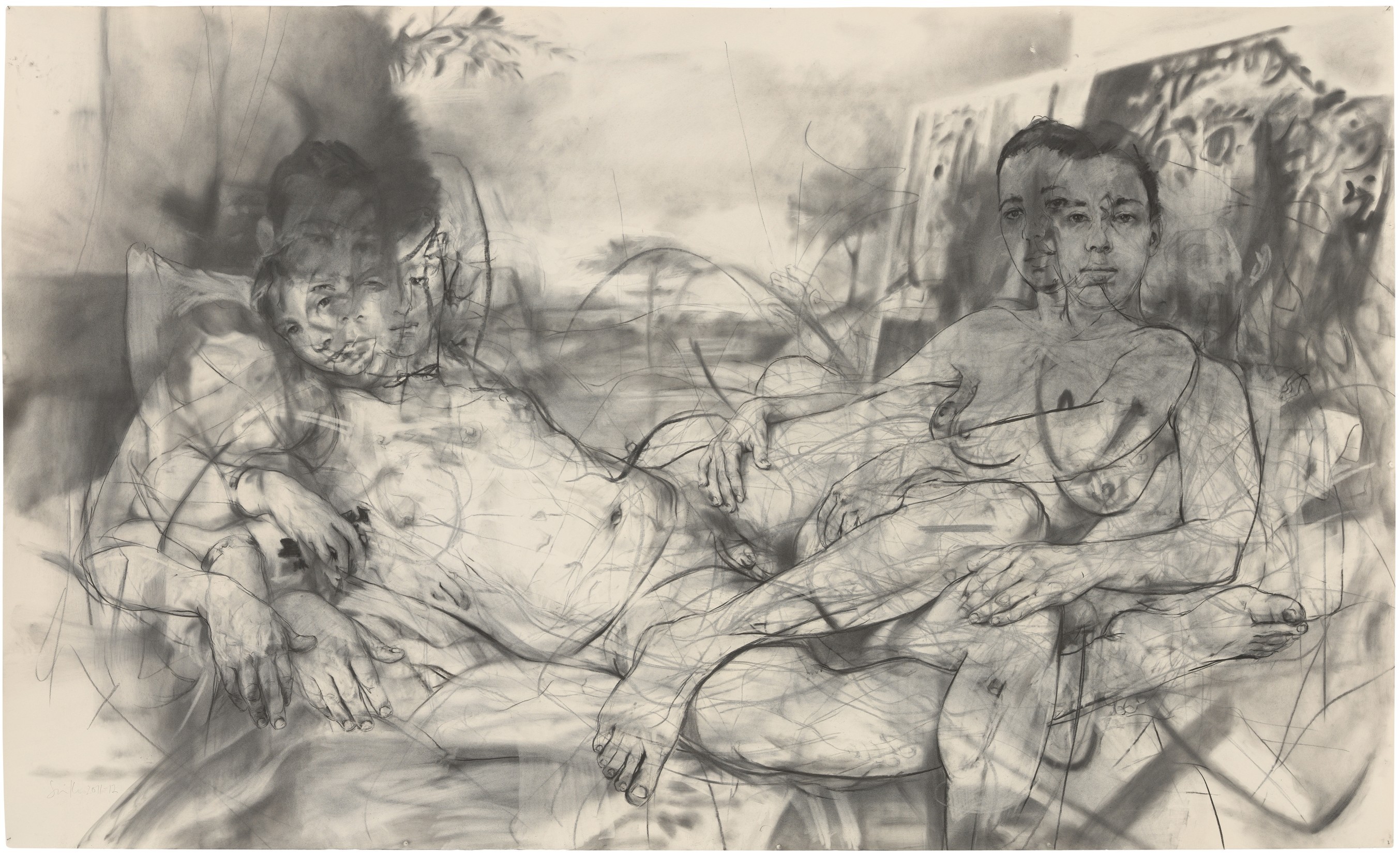
Contemporary artists such as Jenny Saville and Mickalene Thomas continue this resistance by reclaiming scale, flesh, power, and visibility.

In animation and moving image, women artists similarly reject fan art conventions. The animated work at this link presents bodies that age, strain, repeat, and occupy space without idealization. These works emphasize weight, vulnerability, gesture, and presence rather than polish.

Film theorist Laura Mulvey articulated how the male gaze conditions viewers to see bodies as objects. Feminist artists respond by reclaiming subjectivity and lived experience.

Your Response

How do feminist artists and animators disrupt expectations created by fan art and commercial imagery? Have you noticed the "male gaze" in the work you consume or create? What would it mean for your own work to resist these visual conventions?
0 words

Peer Response Required

Write a response to your peer's perspective (at least 50 words) to unlock the next section.

0 words
Section 07

Why Fine Art Bodies Often Feel Uncomfortable

Image: Fine art figure study emphasizing asymmetry, age, or fatigue. Contrast with polished commercial illustration.

Fine art bodies may initially feel ugly, wrong, or unfinished to students trained in polished online aesthetics. This discomfort usually reflects conditioning rather than lack of quality. Fine art prioritizes honesty, specificity, and presence over attractiveness.

When bodies show fatigue, age, asymmetry, or vulnerability, they resist easy consumption. Learning to sit with this discomfort is a critical artistic skill.

Your Response

What kinds of bodies feel most difficult for you to draw or animate, and what might that resistance reveal about your visual training? Think about a time you felt uncomfortable with how a drawing looked—was it actually "bad," or was it challenging your conditioning?
0 words

Peer Response Required

Write a response to your peer's perspective (at least 50 words) to unlock the next section.

0 words
Section 08

In Class Animation Exercise: Body Expansion and Observation

Image: Sequential frames of an animation study focusing on weight, posture, and gravity of a non-idealized body.

Create a short animation focused on a body type you rarely depict. This body should not conform to fan art conventions. Use observational reference. Focus on weight, gravity, posture, repetition, and presence. Avoid anime or cartoon anatomy shortcuts.

The animation may be hand drawn, rotoscoped, stop motion, or hybrid. The goal is expanded perception, not polish.

Your Response

After completing the exercise, reflect on how expanding the body altered your animation choices, emotional range, or assumptions. What surprised you? What felt liberating or difficult?
0 words

Peer Response Required

Write a response to your peer's perspective (at least 50 words).

0 words

🎉 Starter Quiz Complete!

Congratulations! You've completed all sections of the Starter Quiz.

Click the button below to submit all your responses to your instructor's Google Drive.