a presentation by Ariel Baron-Robbins
Why I Integrate AI
into Visual Arts Pedagogy
Florida International University
[► expands · timeline runs center ↓ · compass ↰]
Opening — 15+ Years of Teaching
After more than fifteen years of teaching computer-based art, I have witnessed multiple technological shifts that reshape how we create and interpret images.
Generative AI systems introduce a fundamentally different relationship between artist and medium. As Visiting Assistant Teaching Professor at Florida International University, where I teach all animation courses with a focus on experimental and expanded practices, I have integrated AI into the curriculum not as a productivity shortcut, but as a method for rethinking how artists engage with image-making processes.
Against Commercial Defaults
My teaching pushes against the commercial defaults embedded in widely available generative tools. These systems produce flattened, homogenized aesthetics: highly rendered, glossy, overly processed images that quickly become predictable. I show students how to identify and resist this default mode.
One approach is modeling the creation of custom LoRAs using their own images and research, allowing students to think critically about authorship, reference, and visual language.
The Evolution Project
A key component of my course is a project called Evolution, in which students develop their own positions on generative AI and creativity. Students learn to distinguish qualified research-based sources from social media trends and news-cycle hype.
Art History in the Conversation
I bring art history directly into the conversation. We examine how artists have long used machine learning, algorithmic processes, and early forms of AI, dating back to the 1970s. This historical grounding helps students situate current tools within a longer lineage.
AI Writing is Always Permitted
AI-generated writing is always permitted in my courses. The emphasis is not on whether AI is used, but how and why. Each student determines their own level of engagement based on their research, intentions, and critical response to the medium.
on generative AI and creativity.
Closing Position
Throughout the course, students are not taught to fear or reject AI, nor to embrace it uncritically. The classroom becomes a space for active inquiry where assumptions about creativity, labor, authorship, and image-making are tested through direct engagement with the tools themselves.
By integrating generative AI into an experimental fine art context, I aim to shift focus toward process, reflection, and critical authorship.
Students test their concepts using a single simple “dumb” prompt — run through different models built by different companies with different datasets. Each model is averaging its training data to answer the prompt.
The results side by side show what is statistically average across the internet. See what all the outputs have in common: you now know what not to do.
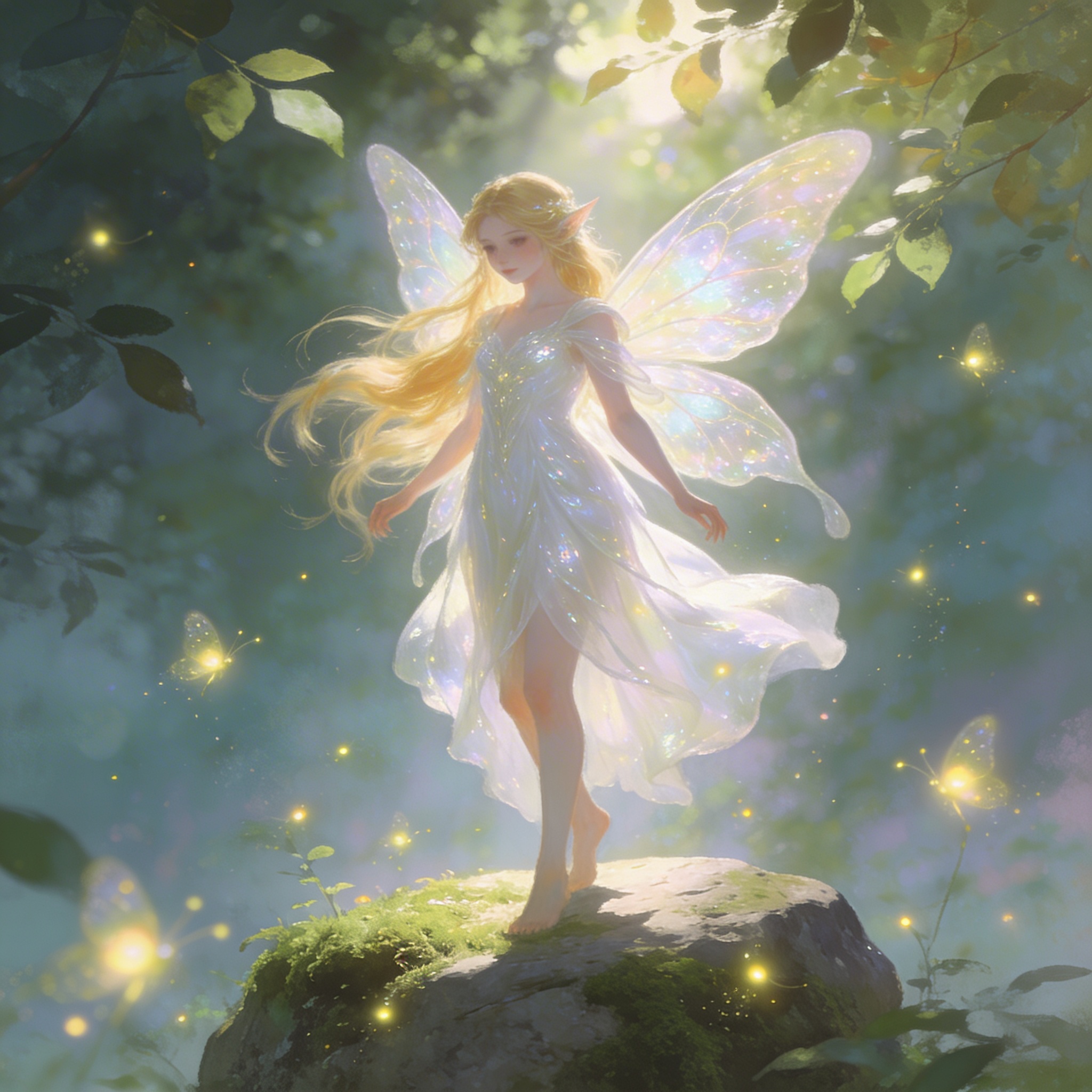
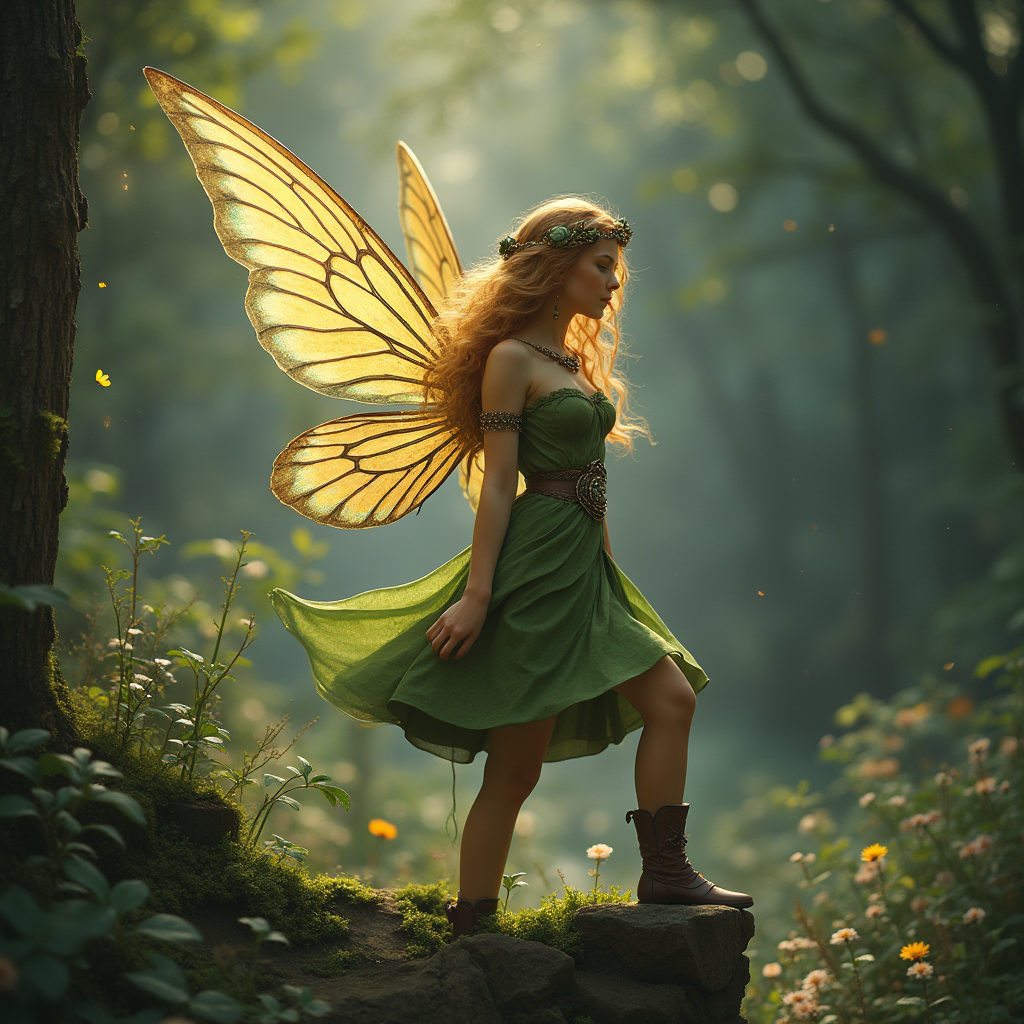
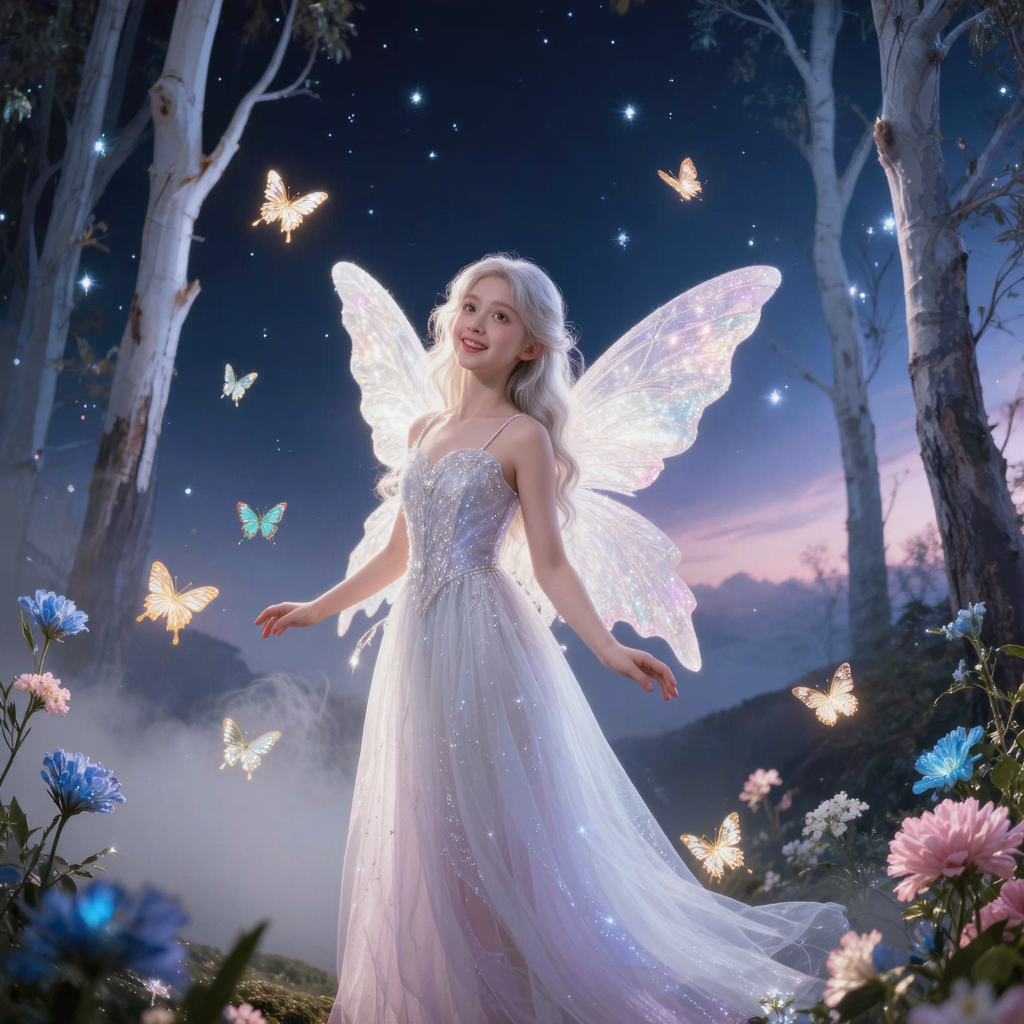
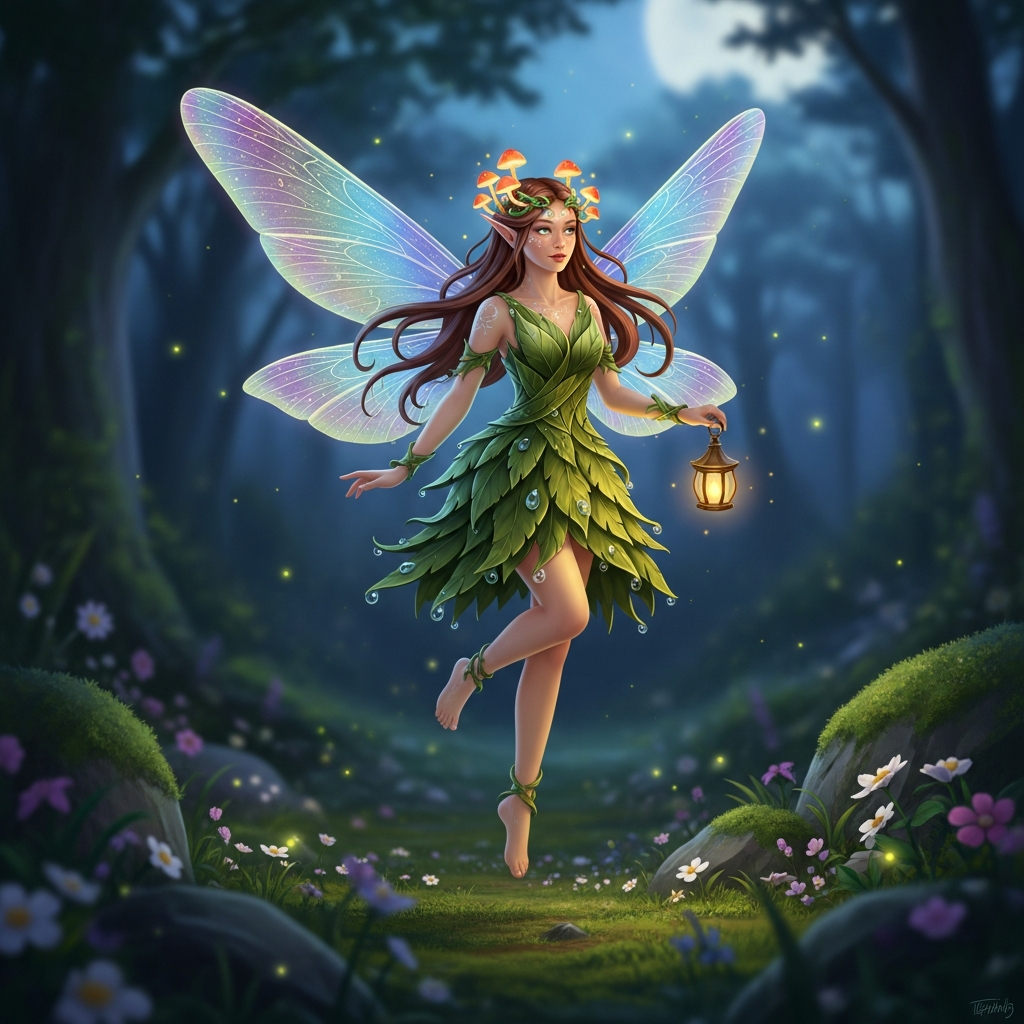
Sites like civitai.com/models?tag=style catalogue thousands of style models released publicly. These styles are easy for the AI to generate but were previously hard for a human to produce — which made them valuable. That value is gone.
If a style can be commodified into a free downloadable model, it no longer functions as a mark of skill or vision. We are not graduating students to make the default.
Commercial generative AI is great at creating generic art. It will replace subpar artists. But we don’t graduate subpar artists. We graduate students who know how to critically engage with the technology of their times to reflect the society they live in and push Art forward.
Ariel Baron-Robbins · FIU Animationfull record: arielbaron-robbins.com/FIU/art_automation
For the dumb/smart prompt research component of Project 2.
Two steps: write your prompt with an LLM, then run it through an image generator.
Step 1 — Write Your Prompt with an LLM
Paste your creature description in and ask it to build a detailed text-to-image prompt.
Step 2 — Free Image Generators
| Tool | Best For | Free Tier |
|---|---|---|
| Google Gemini ★ recommended | Top-tier quality, huge free allowance. | ~100 images/day |
| Leonardo AI ★ recommended | Best presets for character and concept art. | 150 tokens/day |
| ChatGPT (GPT-4o) | Write and generate in one conversation. | ~3 images/day |
| Ideogram | Strong stylized illustration. | ~40 images/week |
| Krea | Real-time sketch-to-image. | Free tier available |
| Adobe Firefly | IP-safe. Integrates with Photoshop. | Free tier available |
Paid / Pro Options
| Tool | Best For | Cost |
|---|---|---|
| Midjourney ★ highest quality | Best overall artistic output. | From $10/mo |
| Runway | Primarily a video tool. | From $15/mo |
Craiyon (formerly DALL-E mini) and similar low-quality generators are not accepted. The dumb vs. smart prompt exercise only works if your tool produces meaningfully different results based on prompt quality.
If you are unsure whether a tool is on this list, ask before submitting.